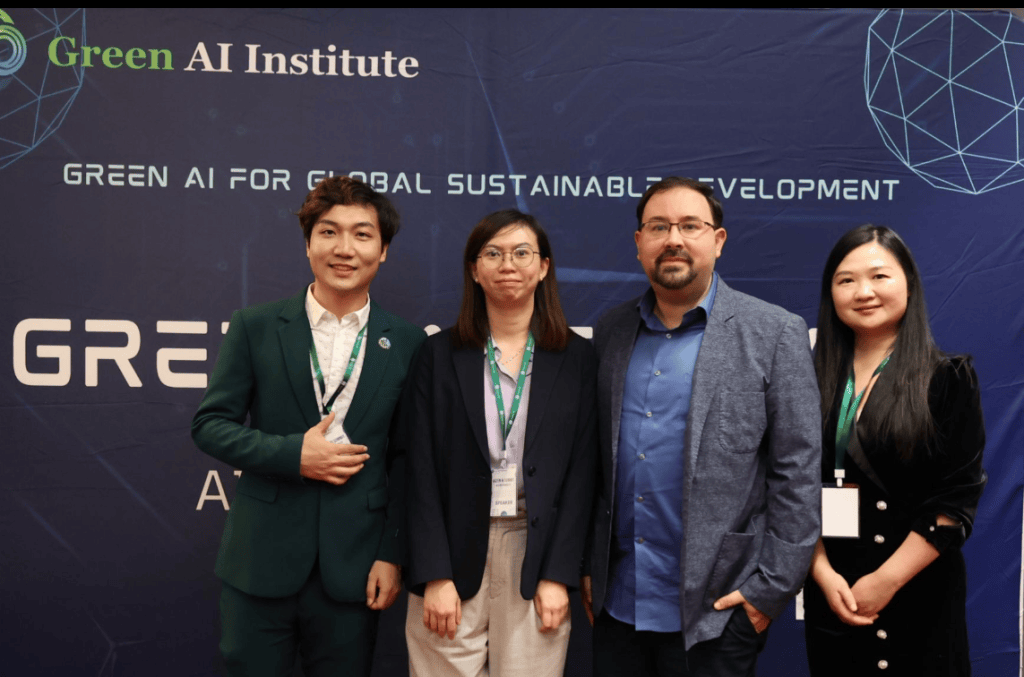
Dr. Yanli He’s research advances an ethical foundation for organizational longevity by demonstrating that leadership traits and ethical principles significantly influence nine measurable dimensions of virtual team longevity. This contribution addresses an important gap in existing AI-driven workplace research, where technological advancement has often received greater emphasis than the ethical and human dimensions of sustainable organizational development. Accordingly, Dr. Yanli He’s research highlights how core ethical principles, including integrity, accountability, and transparency can provide a human-centered foundation for responsible AI leadership, AI governance, organizational decision-making, and related public policy discussions.
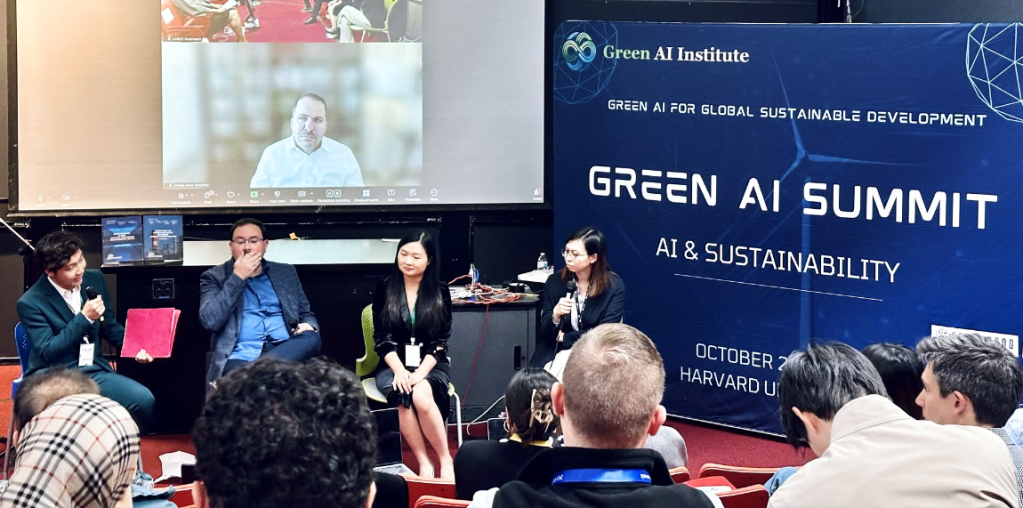
On October 26, 2024, Dr. Yanli He was invited to serve as a panel speaker at the Green AI Summit 2024, held at Harvard University and organized by the Green AI Institute. During the summit, Dr. He’s research framework, particularly its emphasis on transparency, accountability, and ethical leadership, aligned with the objectives of Panel 3: “Safety, Ethics, and Regulation of AI,” which examined ethical considerations and regulatory challenges associated with artificial intelligence in environmental protection, including responsible AI development and governance.
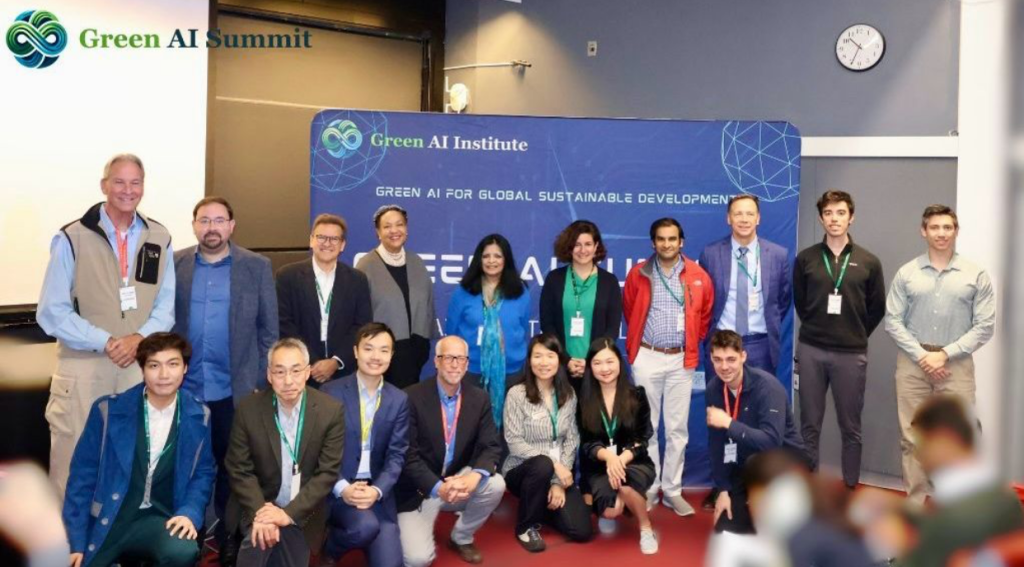
At the Green AI Summit 2024 at Harvard University, Dr. Yanli He utilized her platform as President of the Post-Pandemic Leadership Research Institute (PLRI) to bridge the gap between her dissertation’s focus on long-term organizational sustainability and the ethics of AI. During the summit, Dr. Yanli He served as a featured expert on Panel 3: Safety, Ethics, and Regulation of AI. Dr. He connected her organizational longevity framework to the summit in two primary ways:
- Environmental Justice as a Leadership Trait: Expanding on the “cultural competence” and “ethical decision-making” traits identified in her virtual leadership dissertation, she argued that modern tech leaders must ensure AI-driven sustainability solutions are fair and inclusive.
- Advocacy for Marginalized Communities: She stressed that virtual and global organizational leaders must implement strict ethical guidelines so that AI technologies do not disproportionately impact or worsen inequalities in marginalized communities.
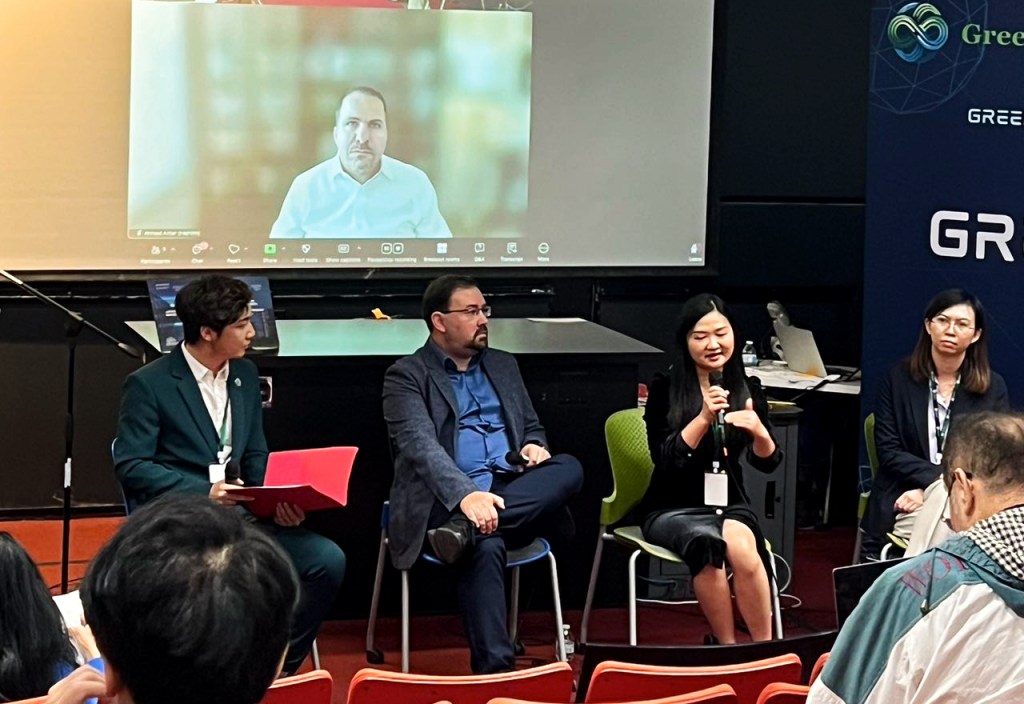
The Panel 3 brought together internationally recognized scholars and experts, including Ahmad Antar from Harvard University, Phuong Ho from the Massachusetts Institute of Technology, Zhu Liu from Tsinghua University, and Jason Mohaghegh from Babson College.